January 2022 Healthy News from Connected Chiropractic Sciatic Leg Pain Relief and Cervical Spine Myelopathy Nutrition
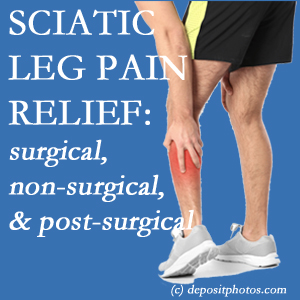
Surgical and non-surgical options are open to back pain and leg pain sufferers. Relieving chiropractic care is non-surgical and even post-surgical. A recent published paper questioned the long-term results of randomized clinical trials of surgical microdiscectomy for lumbosacral radicular syndrome. A high-volume spine center collected long-term outcome reports from 246 surgical patients. The review discovered that 26% of patients underwent re-operation. Further, 35% of patients who related a negative recovery also experienced worse back and leg pain than the 65% who had a favorable recovery outcome. The authors concluded that patient selection for surgery is vital to outcomes as well as explaining fully the chances for a less favorable outcome. (1) It surely comes down to the proper treatment for the right condition as well as having realistic expectations by all involved. We know there is a place for conservative care and surgical care. We work with great local spine surgeons for those patients requiring their skills. For one patient who had spinal surgery for cauda equina syndrome, chiropractic care eased symptoms she had after that surgery - low back pain and radicular leg pain – as well as reduced her opioid medication use and improved her low limb function. (2) Fortunately, there is growing interest in the role of spinal manipulation therapy for low back pain symptoms following lumbar spine surgery, a condition that used to be called “failed back surgical syndrome” and today is more readily referred to as “persistent spinal pain syndrome” or “post-surgical continued pain syndrome” (PSCP). (3) Whatever it is called, it is spine-related pain that continues or occurs after spine surgery. Cox® Technic spinal manipulation used at Connected Chiropractic is gaining momentum in its use and its effective pain-relieving clinical outcome publication. In a study of 69 PSCP patients, 81% demonstrated greater than 50% reduction in pain levels with Cox® Technic. Two years later, 78% had continued pain relief of greater than 50%. (4) Non-surgical chiropractic care at Connected Chiropractic is relieving for many Elgin back and sciatic leg pain sufferers without and even after back surgery!
Listen to this PODCAST with Dr. William Hoffman on The Back Doctors Podcast with Dr. Michael Johnson as he details the relieving treatment of back pain and sciatic leg pain with the Cox® Technic System of Spinal Pain Management.
Elgin CHIROPRACTIC TIP OF THE MONTH: Nutrition’s Role in Cervical Spondylotic Myelopathy
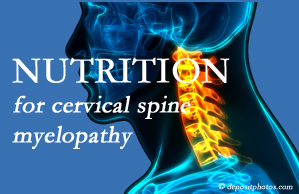
The most usual cause of Elgin myelopathy in the cervical spine is cervical spondylosis. Due to chronic compression of the spine cord and its resulting neurological disability in sufferers 55 years of age and over, cervical spondylosis lowers sufferers’ quality of life. Researchers wanting to help patients with this condition also want to find answers. Does nutrition play a role in cervical myelopathy’s care, its development, and its influence on surgical outcomes? In one review of 5835 papers of which 44 were relevant, poorer recoveries physically and mentally as well as complications after surgery were seen in obese patients. An unbalanced diet, history of alcohol abuse, and malnourishment were associated with reduced post-operative outcomes, leading the researchers to explain that nutrition may have a significant role in optimizing the surgical outcome in degenerative cervical myelopathy patients. (5) One beneficial nutritional approach for cervical myelopathy is olive extract as it is found to suppress inflammation and decrease oxidative stress and thereby safeguard cervical spondylotic myelopathy. (6) Connected Chiropractic is ready to discuss this condition and share chiropractic’s role in examining, diagnosing, and managing cervical myelopathy.
CONTACT Connected Chiropractic
Happy New Year! We look forward to taking care of you in 2022!
Make your next Elgin chiropractic appointment today. We treat sciatica non-surgically and post-surgically and comprehend the nuances of cervical spine myelopathy enough to see that nutrition is an essential piece of its treatment plan. See you soon!